2025
Package Design
Juice (Ju-Cee)
MISSION
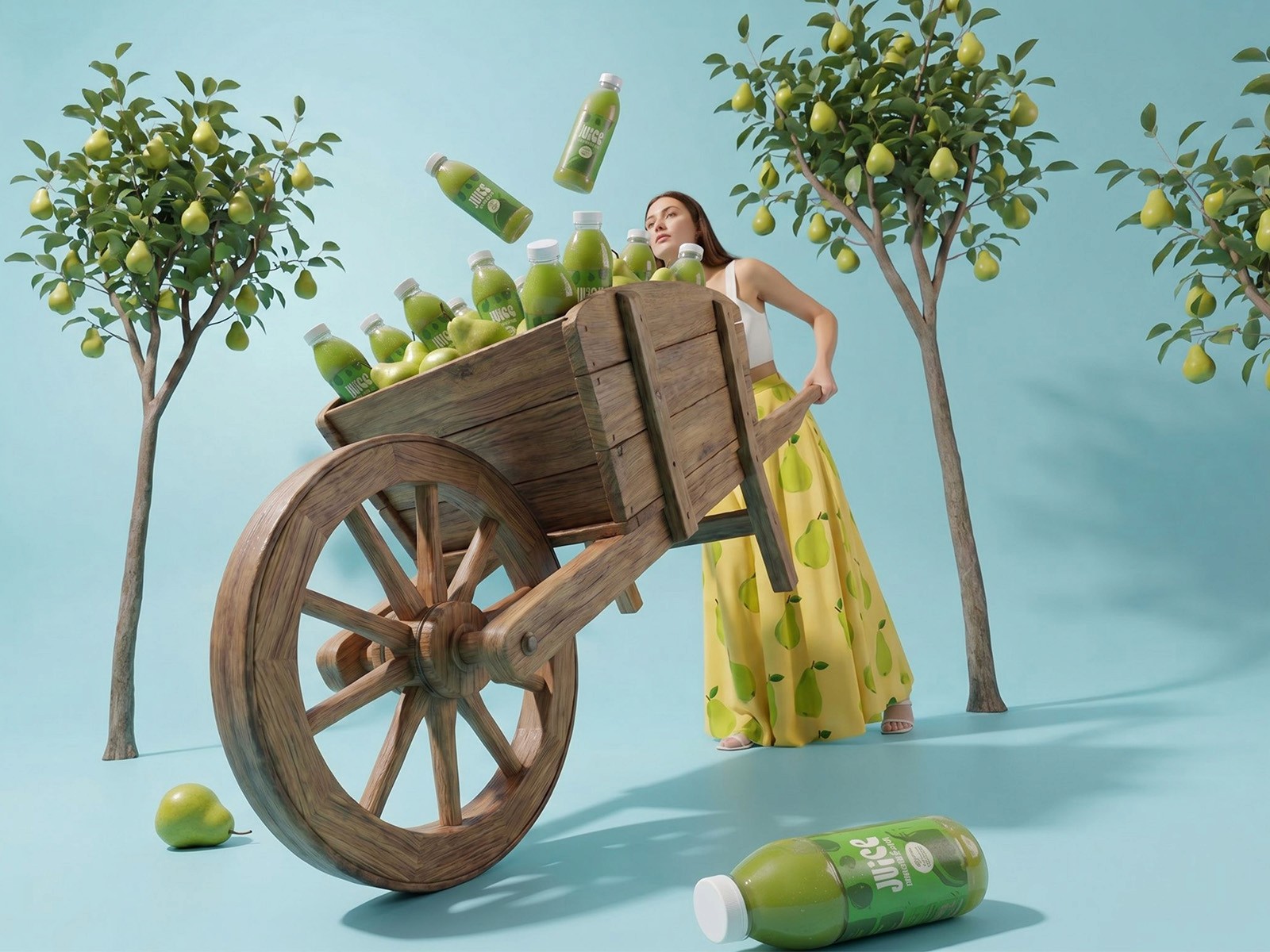
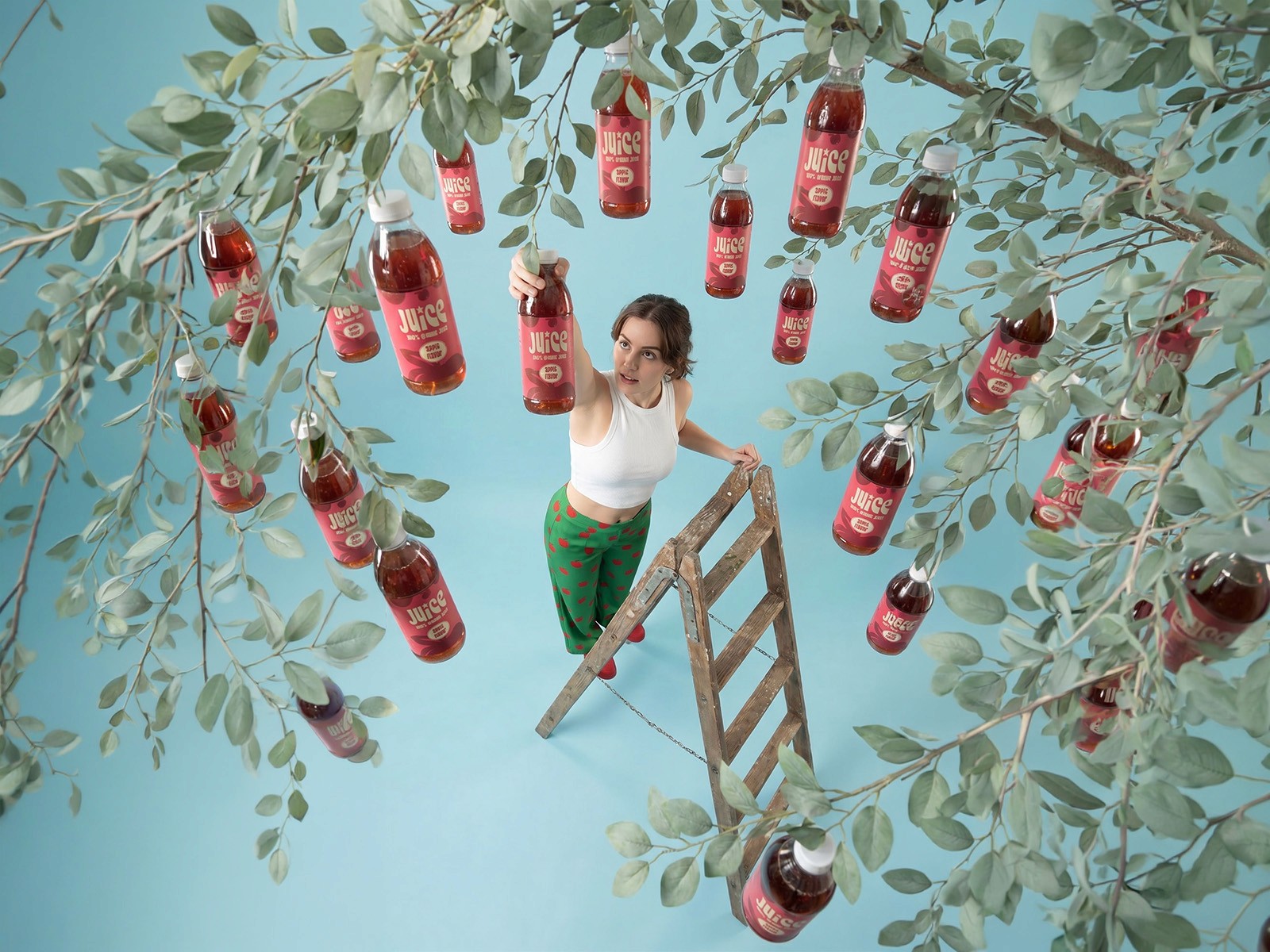
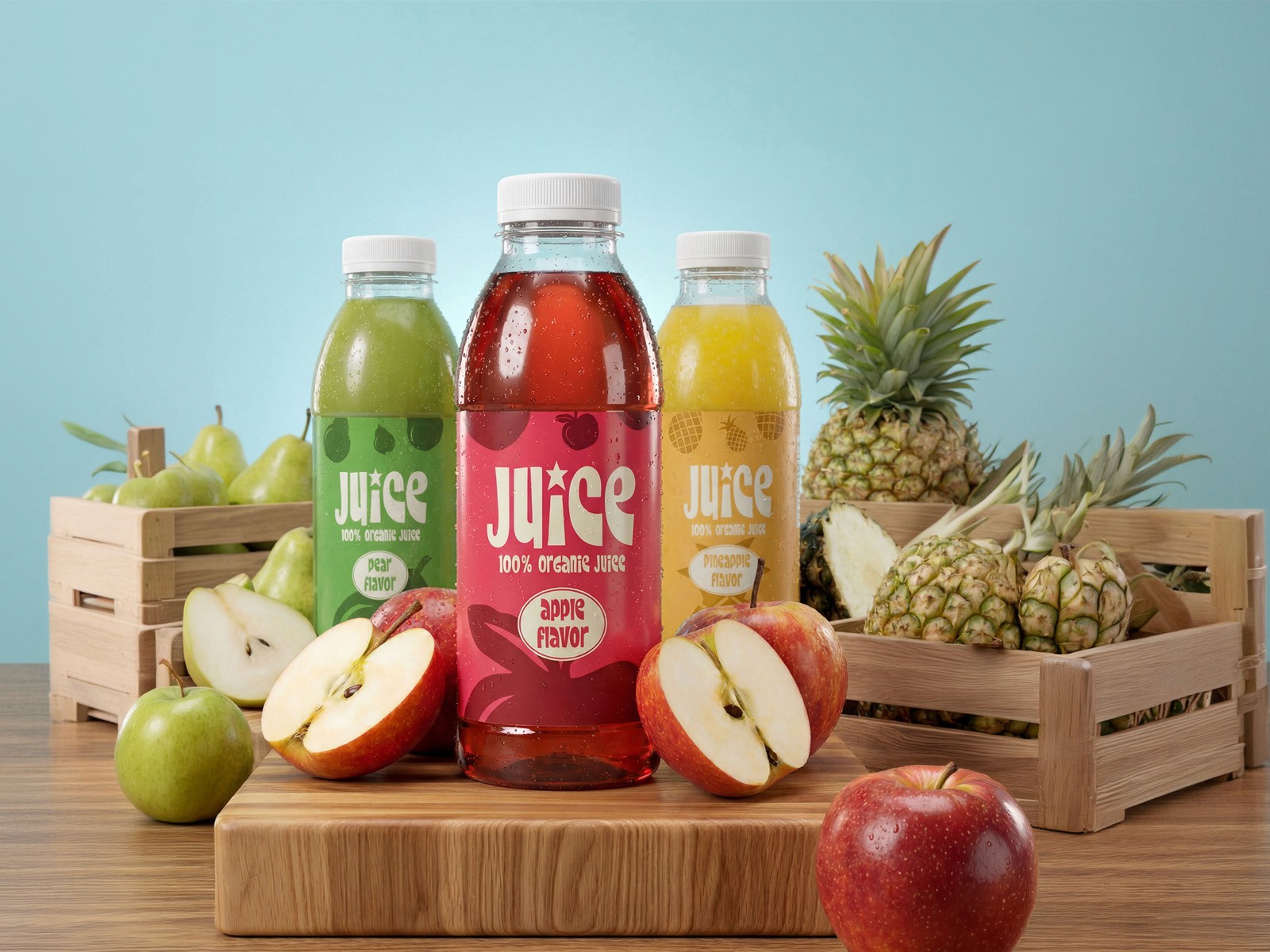
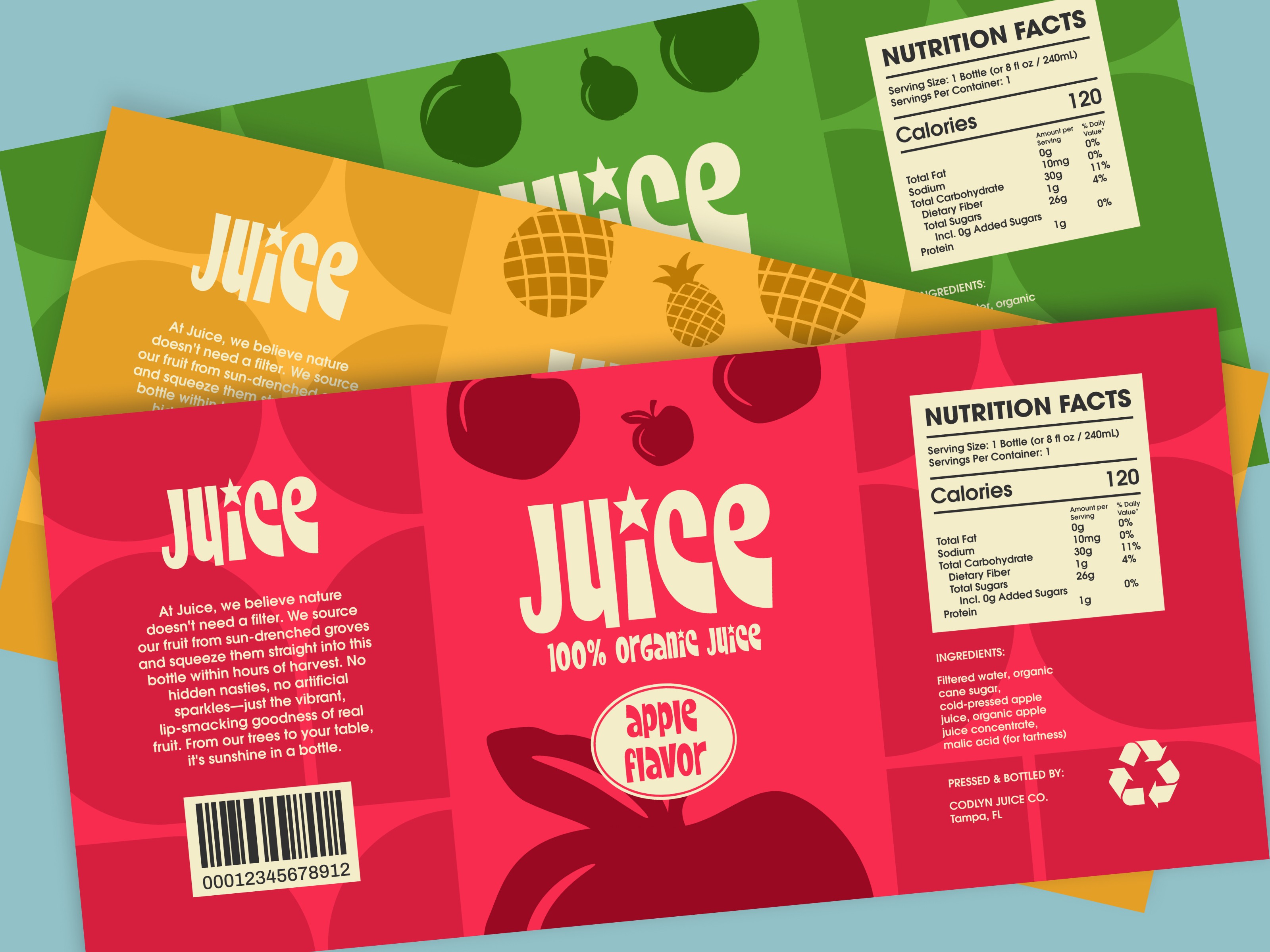
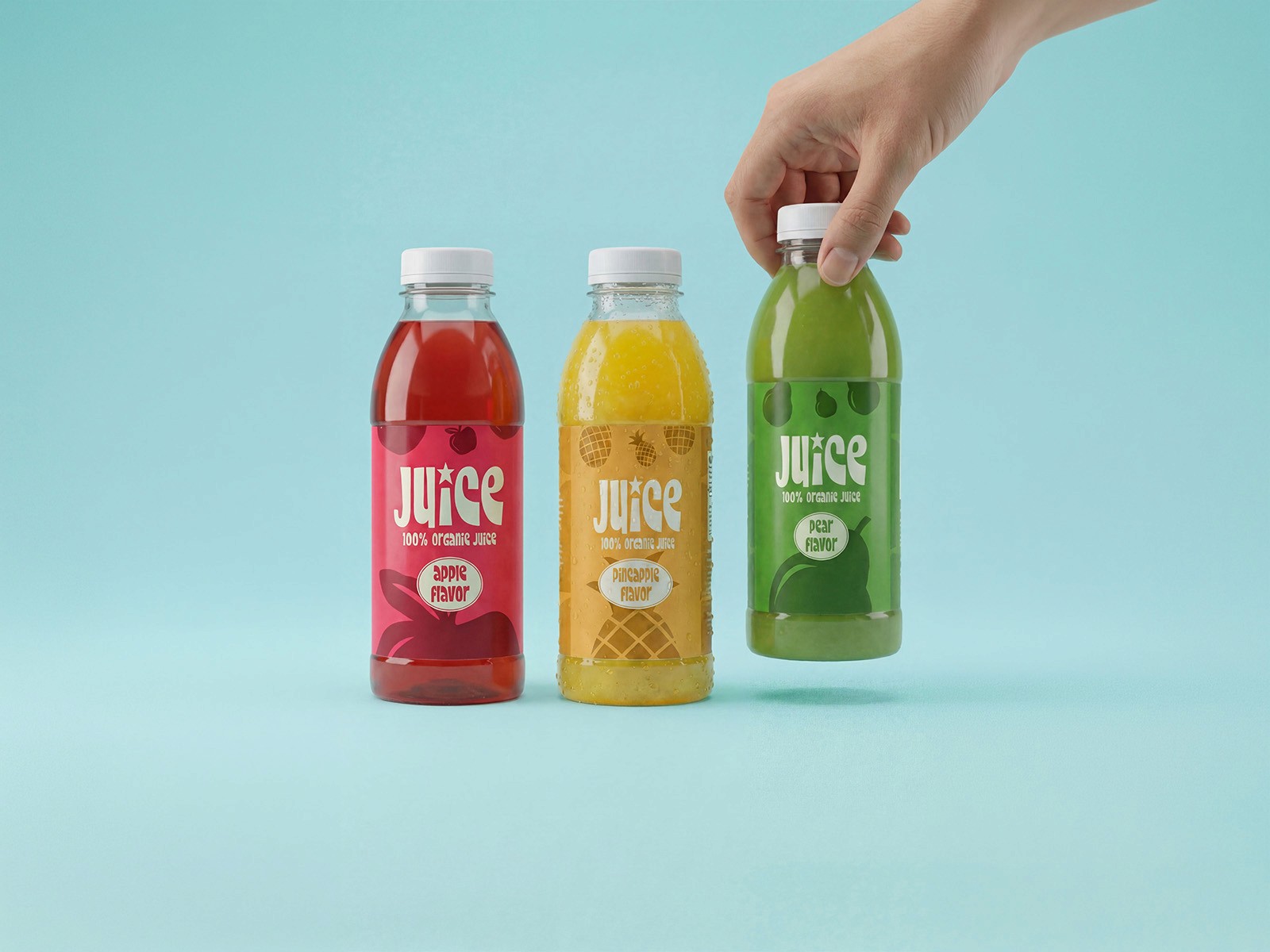
Juice (Ju-Cee) was a self-initiated concept built to test one specific idea: once the design is done, how fast can everything else move? The label was designed from the ground up, with full creative control over brand, color, typography, and layout. From there, the focus shifted to the production side of the pipeline, specifically how AI image generation tools could be used to place that finished artwork into real-world contexts and deliver market-ready visuals without the delays that typically follow a completed design. The goal was never to remove the designer from the process. It was to find out how much further a designer could go when AI is working alongside them.
CHALLENGE
A finished label design is only the beginning of the production process. What typically follows involves coordinating photographers, booking studio time, sourcing props, managing shoot days, and waiting on edited assets before anything can go to market. That gap between design approval and having usable visual assets in hand is where time and budget get consumed. The challenge was to close that gap using AI image generation tools directed by a designer who understands brand, composition, and visual storytelling, producing results that felt intentional and on-brand rather than generic. Because without that design foundation and the creative judgment behind it, AI has nothing meaningful to work from.
OUTCOME
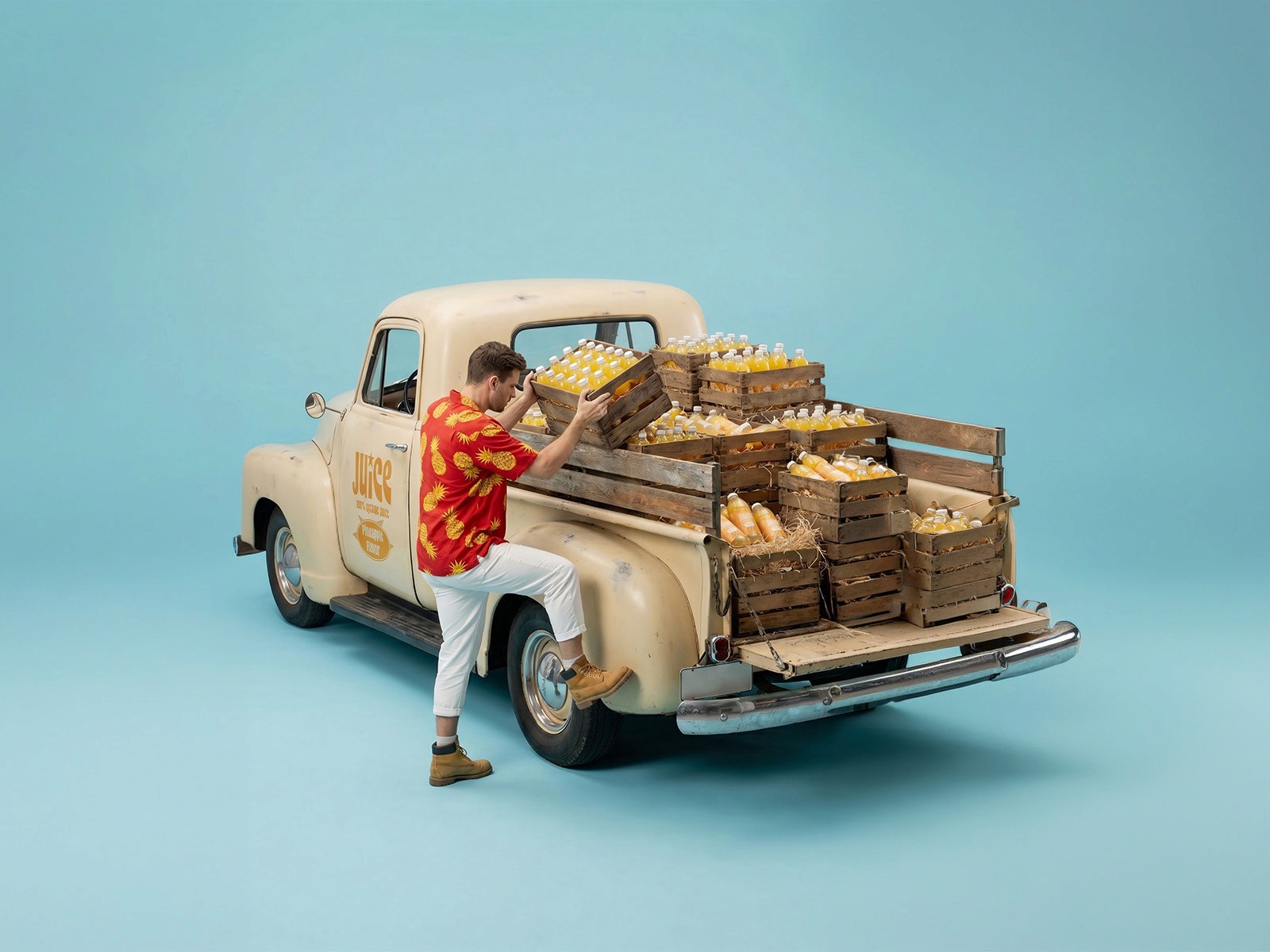
With the label design completed, Juice (Ju-Cee) went from finished artwork to a full set of market-ready product visuals in a fraction of the time a traditional production pipeline would require. Lifestyle shots and product close-ups across a range of real-world settings were all produced without a single photography session. The project demonstrated that AI tools, when guided by a trained designer, can dramatically compress the time between design completion and assets that are ready for marketing, retail, and client presentation, without compromising the creative vision behind the work. More importantly, it reinforced something that gets lost in the current conversation around AI: these tools do not replace designers. They extend what a designer can do. The creative instinct, the brand thinking, the eye for what is right, that still has to come from somewhere. AI simply gives a skilled designer the ability to move faster, deliver more, and get great work in front of the right people sooner.